

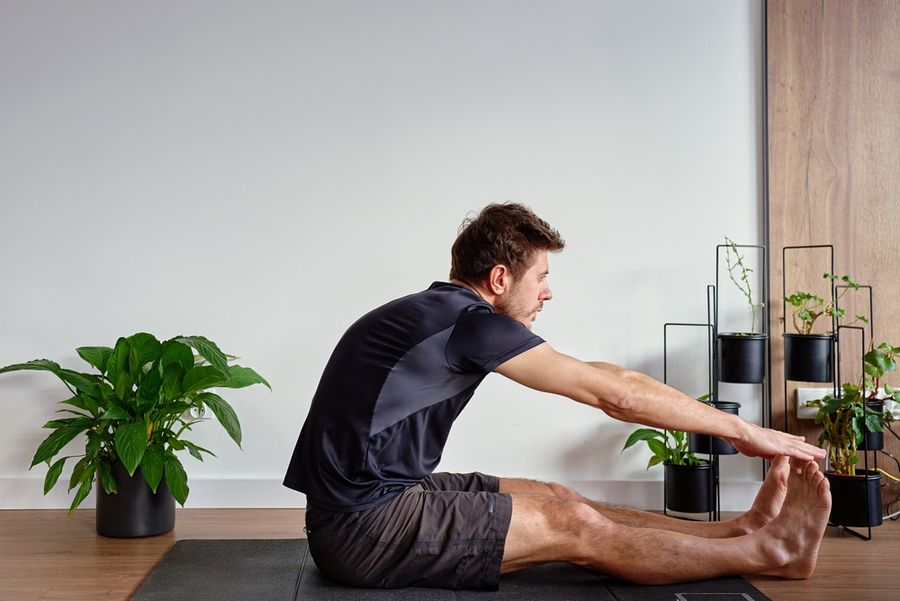
A demanding workout can leave your muscles sore, your energy low, and your usual routine less appealing the next day. Active recovery offers a middle ground between another challenging session and spending the day completely inactive. Certain activities may help you stay loose without adding significant training stress. However, pain, illness, extreme fatigue, and possible injuries call for greater caution. Choosing wisely starts with understanding what your body is recovering from and how movement feels.
What Active Recovery Actually Means
Active recovery is low-intensity movement performed after a demanding workout or on a lighter day between training sessions. Unlike a regular workout, the goal isn’t to improve speed, strength, or endurance. The activity should feel comfortable and leave you at least as refreshed as you felt before starting. Walking, gentle cycling, easy swimming, light mobility exercises, and relaxed yoga are common examples.
Active recovery may also happen immediately after exercise as a gradual cool-down. However, most people use the term to describe a separate recovery-day activity. An exercise physiologist from Hospital for Special Surgery recommends considering active recovery after the hardest workouts of the week while still looking at the overall intensity of your monthly training schedule. Recovery needs accumulate, so one easy day can’t always compensate for weeks of excessive training.
What Gentle Movement May Do for Recovery
Light activity increases movement without placing the same demands on the body as running, heavy lifting, or high-intensity intervals. Many people find that a relaxed walk or easy cycling session reduces stiffness and makes sore muscles feel more comfortable temporarily. Gentle movement may also help maintain mobility and provide a psychological break from structured training.
Research doesn’t show that active recovery is a cure for every form of soreness or fatigue. A systematic review and meta-analysis of 99 studies found that active recovery was associated with a reduction in delayed-onset muscle soreness, but other recovery techniques also produced benefits, and the size of the effects varied. Active recovery may help you feel better, but it doesn’t instantly repair muscle tissue or guarantee stronger performance at the next workout. Sleep, nutrition, hydration, training load, and time remain important parts of recovery.
Active Recovery or Complete Rest?
The right choice depends on whether you’re dealing with ordinary post-workout fatigue or warning signs of a larger problem. Mild, general soreness may respond well to gentle movement, whereas sharp pain, swelling, illness, or a sudden loss of function requires a different approach. Here's a look at some scenarios you might encounter and which option you should consider:
|
How you feel |
Better option |
Reason |
|---|---|---|
|
Mild, even muscle soreness |
Active recovery |
Gentle movement may reduce stiffness |
|
Mentally tired but physically comfortable |
Easy walk or mobility work |
Movement may feel refreshing |
|
Extremely fatigued after poor sleep |
Full rest |
More exercise may add stress |
|
Sharp or localized pain |
Rest and assess |
Pain may signal an injury |
|
Swelling, bruising, or limited movement |
Rest and medical guidance |
Continuing could worsen damage |
|
Fever, vomiting, or contagious illness |
Full rest |
The body needs energy for recovery |
|
Sore but eager to train hard again |
Active recovery |
A lighter day protects the training plan |
Use your symptoms rather than your exercise streak to make the decision. If movement gradually feels easier, an active day may be reasonable. If discomfort increases, stop and switch to rest.
Keep Active Recovery Truly Easy
An active recovery session should stay well below normal training intensity. Try a 10- to 30-minute walk, a leisurely bike ride on level ground, gentle pool movement, or a short mobility routine. You should be able to breathe comfortably and hold a full conversation. Avoid turning a recovery walk into a speed challenge or adding heavy weights because you start feeling energetic halfway through.
The CDC’s exercise-intensity guidance places moderate activity around a 5 or 6 on a 10-point effort scale. Active recovery generally needs to feel easier than that, often around a 2 or 3, depending on fitness and health. Movement should feel smooth rather than forced. Choose activities that don’t heavily load the muscles used during your previous workout. After a difficult run, for example, an easy swim may feel better than another long walk on steep hills.
What Supports Recovery Beyond the Activity?
Active recovery works best as one part of a balanced routine. Adequate sleep gives the body time to manage many of the repair and adaptation processes associated with training. Regular meals containing carbohydrates, protein, and other essential nutrients help replace energy and support muscle recovery. Hydration also matters, especially after long workouts, heavy sweating, or activity in hot weather.
Plan lighter days before fatigue begins affecting performance. Recovery doesn’t have to wait until you’re extremely sore or exhausted. The American College of Sports Medicine notes that sleep loss can impair reaction time, mood, safety, and physical performance in athletes and the general population. If poor sleep has accumulated, another workout may offer less value than a quiet day and an earlier bedtime. Ultimately, active recovery shouldn’t become a way to avoid taking full rest when your body needs it.
Know When Rest and Medical Advice Matter More
Ordinary muscle soreness often appears gradually after unfamiliar or demanding exercise and affects the muscles used during the workout. An injury may cause sharper, more localized pain, swelling, bruising, weakness, or difficulty moving normally. MedlinePlus advises stopping exercise after a sports injury because continuing to play or train can cause more harm.
Don’t use active recovery to test a body part that hurts during everyday tasks. Hospital for Special Surgery recommends regaining pain-free daily function and normal range of motion before loading an injured joint again. Seek medical care for severe pain, a popping sound, major swelling, an inability to move, or symptoms that don’t improve. Muscle pain accompanied by trouble breathing, dizziness, extreme weakness, or a severe injury needs urgent evaluation, according to the Mayo Clinic.
Let Recovery Match What Your Body Needs
Active recovery can be useful when you’re mildly sore, stiff, or ready for movement without another hard workout. It's important to keep the effort easy, choose an activity that feels comfortable, and stop if symptoms worsen.
Full rest is the better choice when fatigue is deep, sleep has been poor, illness is present, or pain suggests an injury. Remember that recovery isn’t lost training time. It’s part of the process that helps you return to exercise feeling capable and focused.