

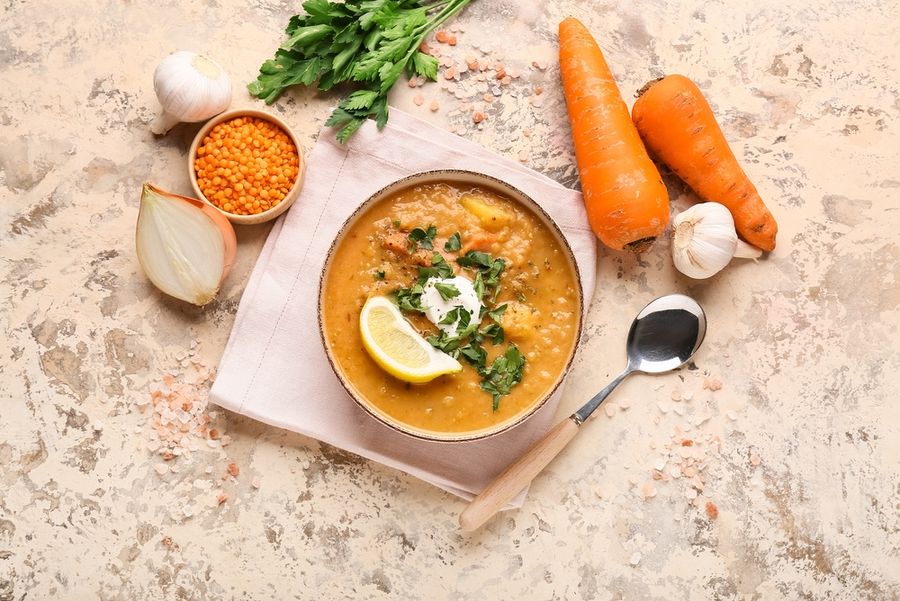
Lentils are affordable, filling, and surprisingly versatile, making them an easy addition to meals throughout the week. Small servings provide tons of helpful nutrients without much saturated fat. Their mild, earthy flavor also works with warm spices, fresh herbs, vegetables, grains, and sauces. Whether you prefer hearty soups, crisp salads, comforting curries, or meatless tacos, lentils can add substance and nutrition without requiring complicated preparation or expensive specialty ingredients.
What Are Lentils and Why Are They Nutritious?
Lentils are small edible seeds that belong to the legume family. They’re also considered pulses, a group that includes dried beans, chickpeas, and split peas. Common varieties include brown, green, black, red, yellow, and orange lentils. According to USDA MyPlate, beans, peas, and lentils can count toward the vegetable group or protein foods group, depending on the rest of a person’s diet.
Lentils provide plant-based protein, fiber, folate, iron, potassium, and manganese. They’re naturally low in sodium and saturated fat when cooked without salty sauces or fatty meats. The Harvard T.H. Chan School of Public Health also notes that lentils contain resistant starch and plant compounds called polyphenols. Nutrient amounts vary by variety, serving size, and preparation method, but plain cooked lentils can provide a strong nutritional base for many meals.
Protein and Fiber Can Make Meals More Filling
Lentils provide both protein and complex carbohydrates, which can make meals feel more substantial. Protein supports muscles, tissues, enzymes, and many other functions throughout the body. Lentils don’t contain large amounts of every essential amino acid, so they’re often paired with grains, nuts, seeds, dairy, eggs, or other protein foods as part of a varied diet. A lentil and rice bowl is one familiar example.
Their fiber content may help you stay satisfied between meals. The American Heart Association explains that beans and other legumes provide protein and dietary fiber without the cholesterol found in animal foods. Fiber-rich foods generally take longer to digest and may support fullness. Lentils can therefore add staying power to soups, salads, pasta sauces, and grain bowls without relying on a large portion of meat.
Lentils May Support Digestion and Heart Health
Lentils contain soluble and insoluble fiber. Insoluble fiber helps move material through the digestive system and adds bulk to stool, while soluble fiber forms a gel-like material that slows digestion. The Mayo Clinic identifies beans, peas, and lentils as excellent fiber sources and notes that a fiber-rich eating pattern may support digestive regularity, cholesterol management, and blood sugar control.
Legumes can also support a heart-conscious diet when they replace foods higher in saturated fat. The American Heart Association recommends beans and other legumes as part of a healthy eating pattern and notes that replacing some red meat with plant-based proteins may help lower blood cholesterol. Preparation still matters. Lentils cooked with vegetables, herbs, and low-sodium broth offer a different nutritional profile than lentils served with large amounts of salt, butter, cream, or processed meat.
Iron, Folate, and Other Nutrients Add Value
Lentils are a useful plant source of iron. The body needs iron to make hemoglobin, a protein in red blood cells that carries oxygen throughout the body. That said, plant foods contain nonheme iron, which isn’t absorbed as easily as the heme iron in meat. Pairing lentils with vitamin C-rich foods, such as tomatoes, bell peppers, broccoli, citrus juice, or strawberries, may help improve iron absorption.
Lentils also provide folate, a B vitamin used for making DNA and supporting cell division. Folate is important throughout life, though people who could become pregnant have specific folic acid recommendations that food folate alone may not meet. Lentils also contribute potassium, phosphorus, magnesium, and other nutrients as part of a varied eating pattern.
Choose the Right Lentil for the Dish
Brown and green lentils tend to hold their shape, making them useful for salads, bowls, side dishes, and chunky soups. Black lentils are small and firm, with a rich color that works well in grain salads or roasted vegetable dishes. French green lentils also stay relatively firm and can be a good choice when you want a distinct texture rather than a soft puree.
Red, yellow, and orange lentils are often split and cook more quickly. They soften and break apart, making them well suited to curries, dals, sauces, and blended soups. The Harvard Nutrition Source explains that whole lentils with their husks take longer to cook and retain their shape, while split lentils cook quickly and develop a softer consistency. Unlike many dried beans, lentils generally don’t require soaking before cooking. Sort and rinse them first, then follow package directions.
Easy Ways to Eat More Lentils
Lentils can take on many flavors, so you don’t need to rely on one soup recipe. Cook a batch at the beginning of the week or keep no-salt-added canned lentils available for quick meals. Rinse canned lentils before using them, especially when you’re trying to reduce sodium.
Simple ways to add more lentils include:
- Stir brown or green lentils into vegetable soup
- Add cooked lentils to salads and grain bowls
- Replace part of the ground meat in tacos or chili
- Simmer red lentils into curry or tomato sauce
- Blend lentils into a dip with herbs and lemon
- Add them to stuffed peppers or baked casseroles
- Serve seasoned lentils over rice, quinoa, or roasted vegetables
- Use mashed lentils in veggie burgers or meatless meatballs
A Small Ingredient With Plenty to Offer
Lentils provide an approachable way to add plant-based protein, fiber, iron, folate, and variety to everyday meals. Different colors and textures work in everything from soups and curries to salads, tacos, and pasta sauces. Begin with one simple swap or side dish, increase fiber gradually if you aren’t used to legumes, and keep experimenting with seasonings until lentils feel like a natural part of your routine.