

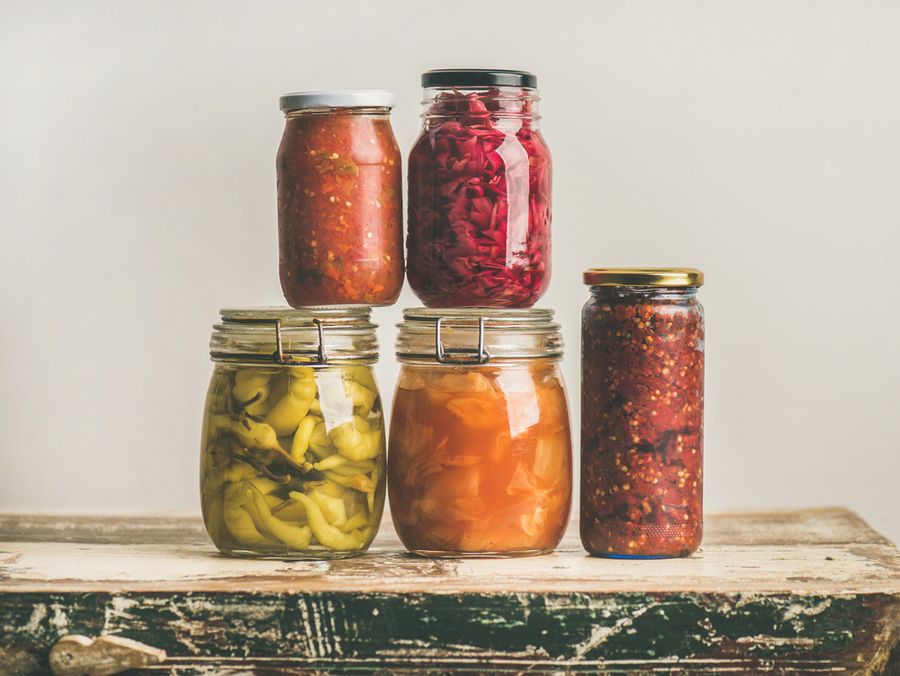
Yogurt, kimchi, sourdough, kefir, and miso may look very different, yet they share an ancient preparation method: fermentation. Microorganisms transform ingredients over time, creating tangy flavors, distinctive textures, and foods that may keep longer. Growing interest in gut health has brought fermented options back into the spotlight, but not every product contains live probiotics or delivers the same benefits. Knowing what fermentation does, which foods qualify, and how to choose them can make the trend easier to understand.
What Happens During Fermentation?
Fermentation happens when microorganisms such as bacteria or yeast break down sugars and other parts of food. Depending on the ingredients and microbes involved, the process may produce acids, gases, or alcohol. Such changes create the sour flavor of yogurt, the bubbles in kombucha, the rise in sourdough bread, and the strong taste of fermented vegetables.
People have used fermentation for centuries to preserve food and create new flavors and textures. The process can also change how certain nutrients or carbohydrates are handled. For example, bacteria used to make yogurt convert some of the milk’s lactose into lactic acid, which gives yogurt its tart flavor. According to Harvard’s Nutrition Source, fermentation involves the controlled growth of microorganisms and the conversion of food components through their enzymes.
Examples of Fermented Foods
Fermented foods appear in cuisines around the world, and many are already available in an average grocery store. Some contain live cultures when purchased, while others are heated, baked, or pasteurized before they reach the table.
- Yogurt: Milk fermented with bacteria
- Kefir: A tangy fermented milk drink
- Kimchi: Seasoned fermented vegetables, often including cabbage
- Sauerkraut: Fermented cabbage
- Miso: A fermented soybean paste used in soups and sauces
- Tempeh: A firm fermented soybean product
- Kombucha: Fermented sweetened tea
- Sourdough bread: Bread made with a fermented flour and water starter
- Certain pickles: Cucumbers fermented in a saltwater brine
- Some cheeses: Dairy products made with cultures during production
The National Institutes of Health lists yogurt, cheese, sourdough, pickles, kombucha, miso, kimchi, and sauerkraut among foods produced with microorganisms. However, fermentation alone doesn’t guarantee that live cultures remain in the finished product.
Why Fermented Foods Have Become So Popular
Interest in fermented foods has grown alongside conversations about gut health and the microbiome, which includes the large community of microorganisms living in the digestive tract. Yogurt, kefir, kimchi, and kombucha are now commonly promoted as foods that may support digestion or help add beneficial microbes to the diet. Their long history can also make them feel like a more traditional alternative to probiotic supplements.
Flavor is another major reason for their popularity. Fermentation can create sour, salty, savory, earthy, or slightly fizzy qualities that add interest to meals. Miso can deepen the flavor of soup, kimchi can add heat and crunch to rice bowls, and plain yogurt can work in both sweet and savory recipes. Fermented foods also fit several eating styles because options are available from dairy, vegetables, soybeans, grains, and tea. Growing interest doesn’t mean every health claim has been proven, but the variety makes experimentation easy.
What Benefits Might Fermented Foods Offer?
Some fermented foods provide protein, calcium, fiber, vitamins, or other nutrients from their main ingredients. Yogurt, for example, can contribute protein and calcium, while kimchi and sauerkraut begin with vegetables. Fermentation may also make certain foods easier for some people to tolerate. Yogurt, for example, often contains less lactose than milk because bacteria break down part of the lactose during production.
Live cultures may interact with the digestive system, but benefits depend on the food, microorganisms, serving amount, and individual. A small Stanford Medicine study involving 36 healthy adults found that a 10-week diet high in fermented foods increased gut microbial diversity and lowered several markers of inflammation. The findings were promising, but one study can’t prove that every fermented product produces the same result. The National Center for Complementary and Integrative Health notes that researchers still have many questions about which microorganisms help, how much is needed, and who is most likely to benefit.
Fermented Doesn’t Always Mean Probiotic
The terms fermented and probiotic are often used as though they mean the same thing, but there’s an important difference. Probiotics are specific live microorganisms that provide a demonstrated health benefit when consumed in an adequate amount. A food may be fermented without containing microbes that meet that definition.
Heat can also remove live microorganisms. Sourdough bread is fermented, but baking exposes the dough to high temperatures. Shelf-stable pickles may be made with vinegar rather than natural fermentation, while pasteurized sauerkraut or kombucha may no longer contain live cultures. Look for wording such as “live cultures,” “active cultures,” or “unpasteurized” when live microbes are important to you. Even without live cultures, a fermented food may still offer enjoyable flavor and nutrients from its main ingredients. Don’t assume that a product labeled fermented will treat digestive problems or provide the same effects as a researched probiotic strain.
How to Add Fermented Foods to Your Diet
Start with familiar foods and small portions. Add plain yogurt to breakfast, use miso in a dressing, serve a spoonful of sauerkraut with a sandwich, or add kimchi to eggs or rice. Tempeh can replace meat in stir-fries, while kefir can be blended with fruit. Introducing one option at a time makes it easier to notice which flavors and foods you enjoy.
Additionally, read nutrition labels because products within the same category can vary. Flavored yogurt and bottled kombucha may contain added sugar, while kimchi, miso, pickles, and sauerkraut can contain considerable sodium. Also, be sure to keep fermented foods refrigerated when the label requires it. Home fermentation needs extra care because cleanliness, salt levels, temperature, acidity, and storage all affect safety. The USDA-supported guidance on safely fermenting food at home recommends following tested instructions and using clean, food-safe equipment rather than improvising a recipe.
A Traditional Process With Modern Appeal
Fermented foods have lasted for generations because they offer bold flavors, useful preservation, and plenty of variety. Some may also supply live cultures or support a more diverse diet, though benefits aren’t identical across every product. Choose options you genuinely enjoy, compare labels, and treat fermented foods as one part of a balanced eating pattern rather than a cure-all for gut health.